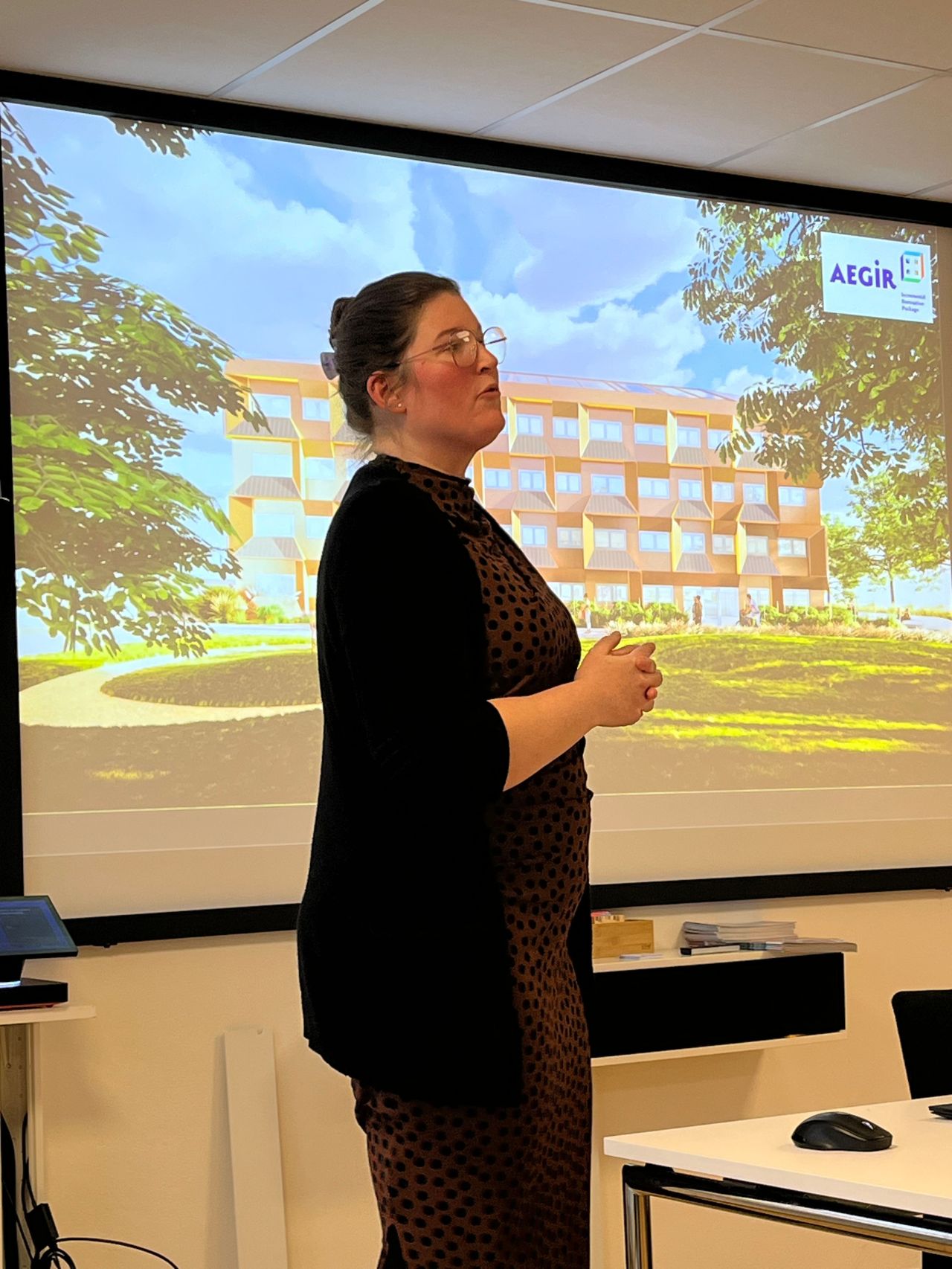
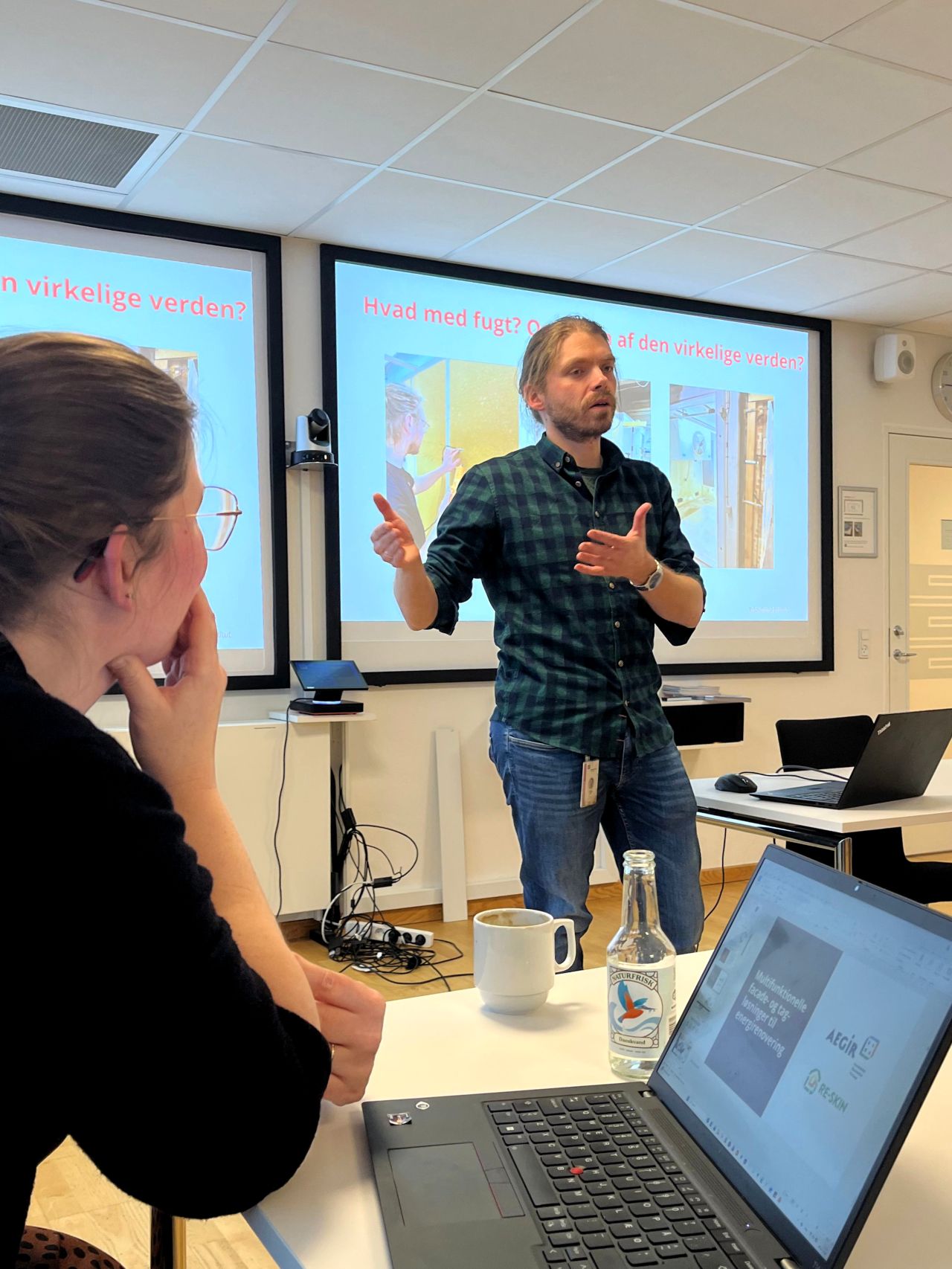
On 28 January 2026, the Danish Technological Institute (DTI) held a seminar in Aarhus on a new energy renovation solutions that DTI is co-developing, testing, and documenting through three EU projects: AEGIR, EASI ZERo, and RE-SKIN Project.
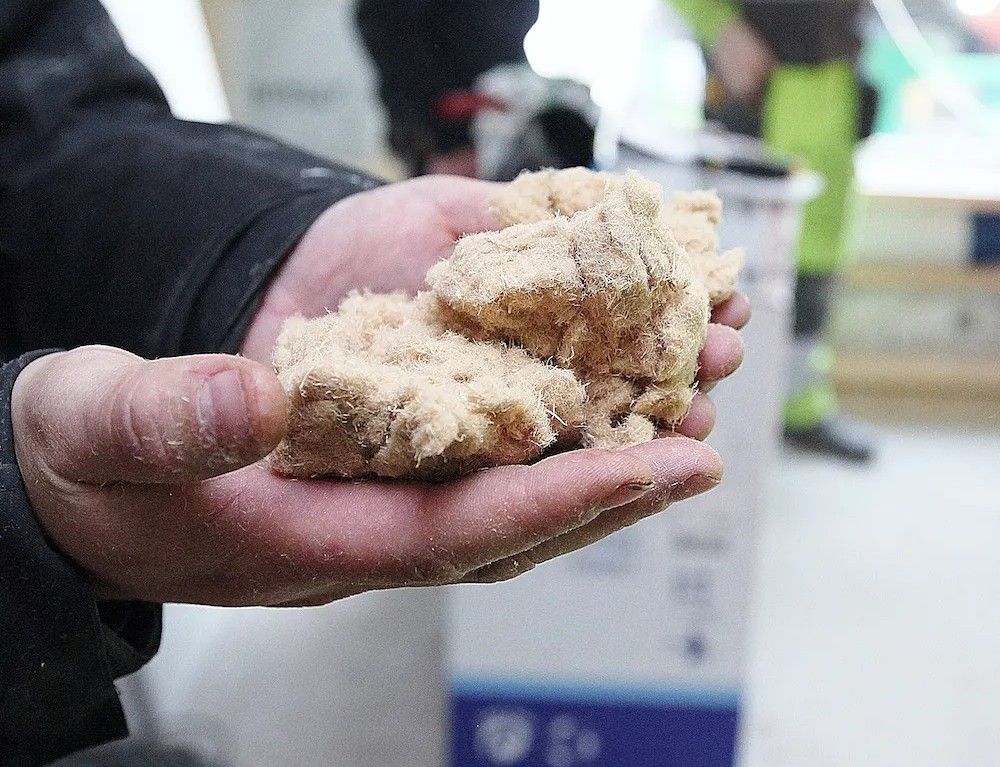
Buildings account for around 40% of energy consumption in the EU and 36% of CO₂ emissions. Fungal mycelium, wood fibres, recycled materials, and new super-insulating technologies are among the most promising solutions for greener energy renovation. As energy renovation is key to the green transition, it must be carried out with the lowest possible footprint on the planet.
Bio-based and recycled materials, integrated energy technologies, and advanced super-insulating solutions are increasingly being considered for future renovation projects. However, the use of these new materials and methodologies raises important questions:
@Photos courtesy of DTI
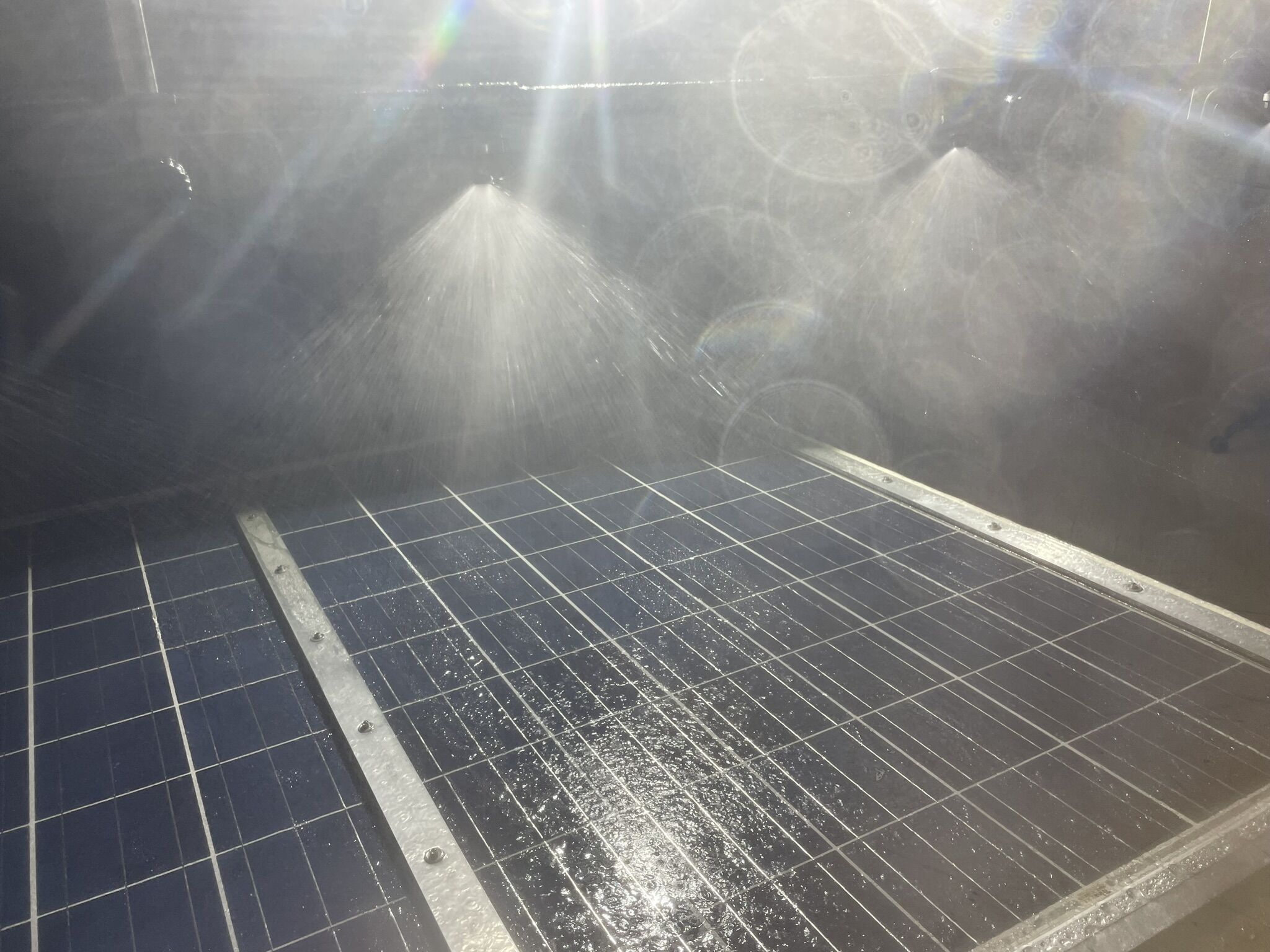
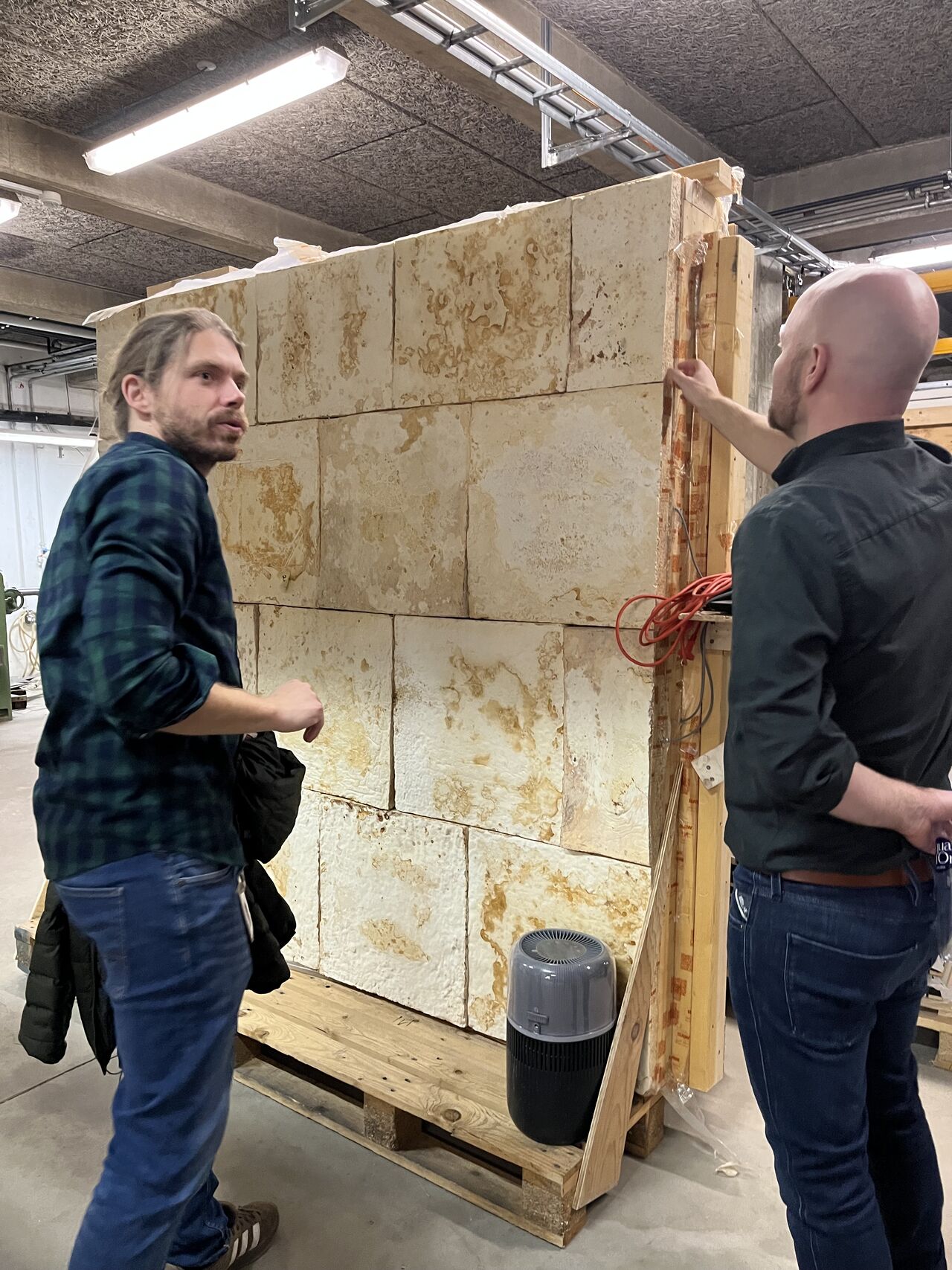
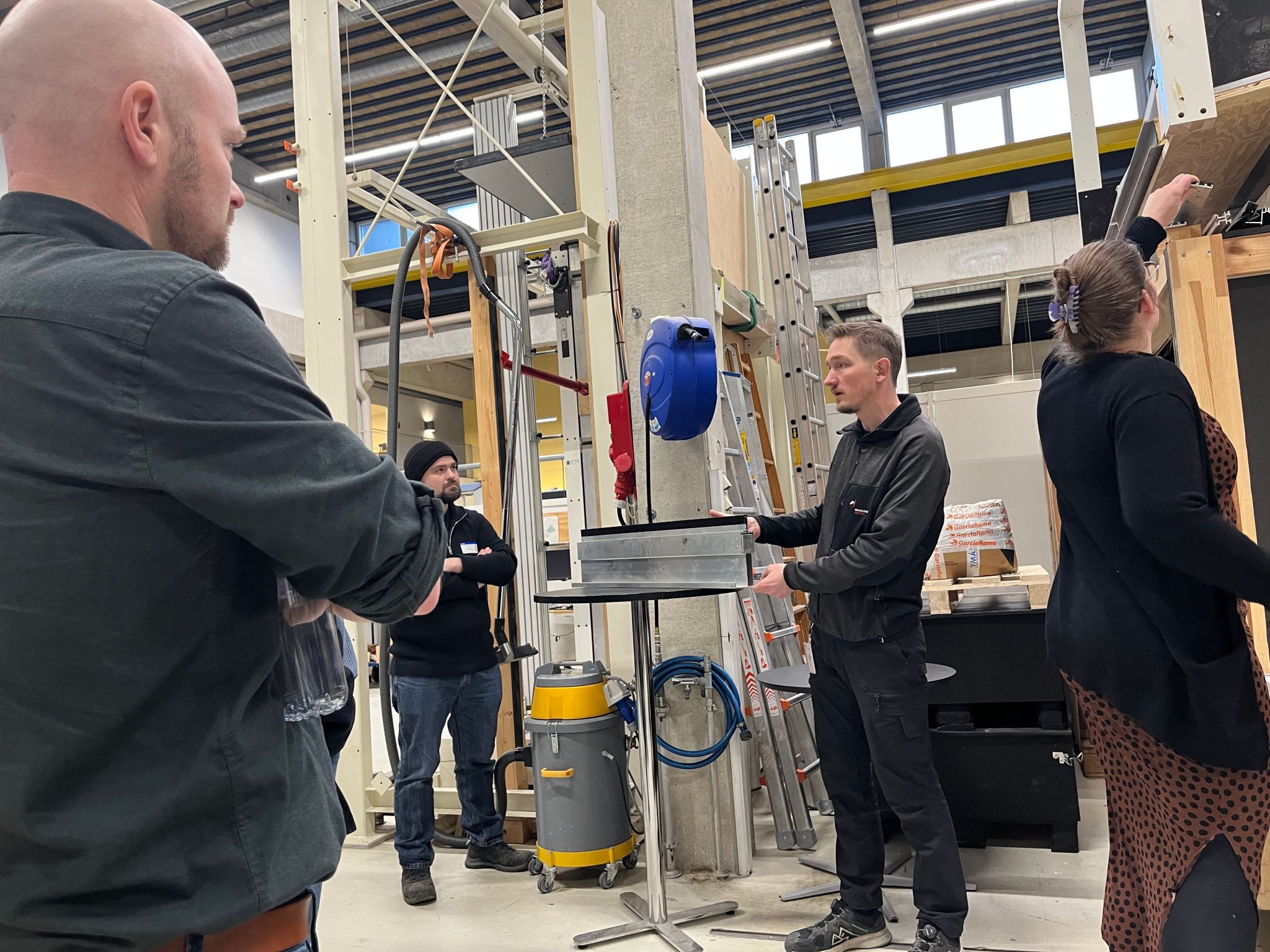
Visitors from both the industry and education sectors were able to experience several of these new energy renovation solutions up close at DTI’s test facilities, where the institute investigates answers to these questions. Thue Trofod, Lies Vanhoutteghem and Allan Nielsen guided participants through the facilities, including a new climate chamber designed to test the robustness of emerging solutions. Here, larger roof and façade elements can be exposed to simulated extreme weather and indoor climate conditions, allowing researchers to quickly identify weaknesses and document long-term durability.
The programme and further information about the seminar are available on DTI’s webpage.